The Rise of Generative AI: Reshaping the Modern Workplace
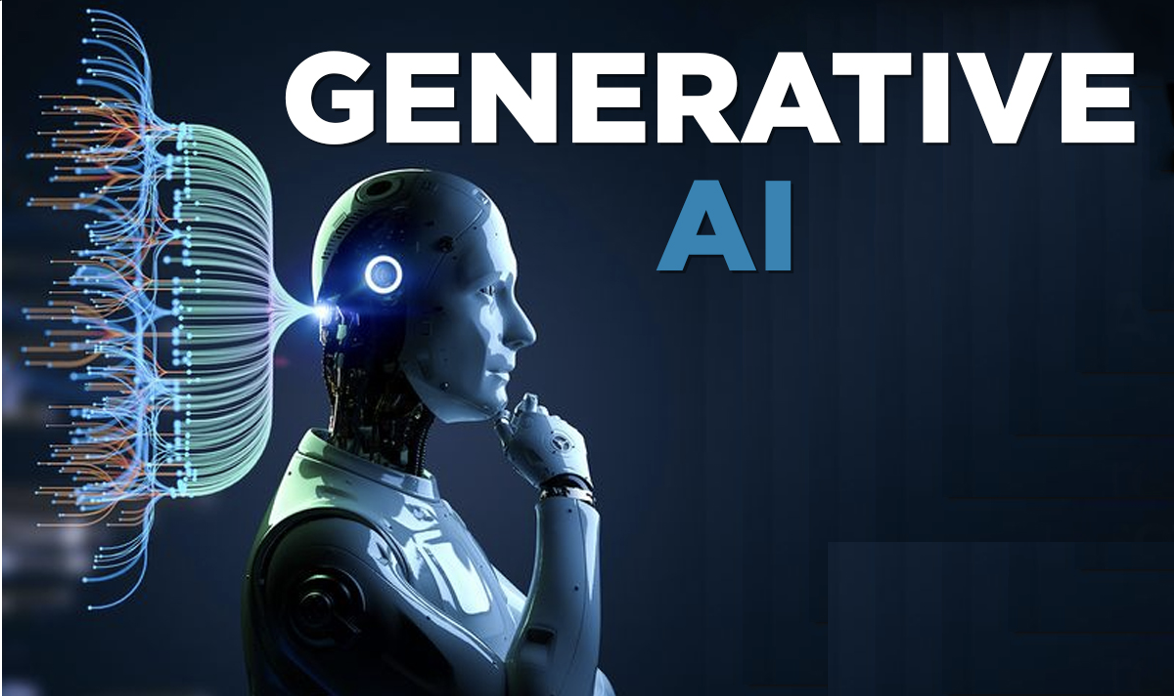
The trajectory of artificial intelligence has moved with a velocity that few predicted. While the conceptual foundations of neural networks have been in place for decades, the specific emergence of large-scale generative models has catalyzed a fundamental rethink of what it means to work. We are no longer discussing AI as a futuristic possibility; we are experiencing it as the primary engine of a new industrial revolution—one focused on cognitive labor and creative output.
Beyond Chatbots: The Architecture of Agentic AI
The initial wave of generative AI was characterized by conversational interfaces. Users "chatted" with models to generate text or images. However, as we move into 2026, the focus has shifted toward agentic workflows. These are systems where an AI model isn't just a passive responder but an active participant in a multi-step process.
In an agentic system, the AI can plan its own sub-tasks, use external tools (like searching the web, running code, or accessing a database), and self-correct when it encounters errors. For the modern workplace, this means the displacement of repetitive administrative tasks by autonomous "digital coworkers." For example, a marketing agent might not just write a blog post but also research keywords, generate social media snippets, schedule the distribution, and monitor performance—all with minimal human intervention.
The Productivity Paradox in the AI Era
Historically, the introduction of new technology led to immediate spikes in productivity. However, AI presents a unique challenge: the "productivity paradox." While individual tasks are completed exponentially faster, the total volume of work often increases to match the new capacity. Companies are finding that they are not necessarily working less; they are working at a higher level of abstraction.
- Content Velocity: The ability to generate high-quality drafts in seconds has shifted the human role from creator to editor.
- Decision Density: AI can analyze vast datasets to provide recommendations, allowing leaders to make more decisions per day, but also increasing the cognitive load of validation.
- Skill Displacement: Proficiency in specific software tools is being replaced by "prompt engineering" and system-level thinking.
SaaS Integration: The Intelligent Suite
The most significant impact on the workplace isn't coming from standalone AI apps but from the integration of generative capabilities into existing SaaS platforms. We are seeing a transition from "software as a service" to "intelligence as a service." Tools like project management suites, CRM platforms, and IDEs are now incorporating native LLM layers.
This deep integration allows the AI to have context. An AI assistant in a CRM doesn't just know how to write an email; it knows the historical relationship with the client, the current status of their tickets, and the tone preferred by the account manager. This contextual awareness is what makes AI truly valuable in a business environment. At BetterSuiteHub, we have observed that companies adopting these "intelligent suites" are seeing a 30% reduction in time-to-value for new employee onboarding.
The Human Element: Redefining Value
As AI takes over more of the "doing," the value of human workers is shifting toward "judging" and "empathizing." Critical thinking, ethical oversight, and high-stakes relationship management are becoming the premium skills of the 2026 labor market. The most successful organizations are those that don't view AI as a replacement for humans but as a "centaur" approach—where the combination of human intuition and AI processing power outperforms either in isolation.
We must also address the ethical and security challenges. The use of generative AI in the workplace introduces risks regarding data privacy, copyright, and bias. Organizations must implement robust governance frameworks to ensure that the data fed into these models is secure and that the outputs are verified for accuracy and fairness.
Conclusion: A New Operating System for Work
The rise of generative AI isn't just a trend; it is the implementation of a new operating system for the global economy. It requires us to unlearn old habits of linear work and embrace a more iterative, AI-augmented approach. The "Better Suite" of the future is one where the tools disappear into the background, and the focus remains on the strategic goals of the enterprise.
As we continue to monitor these developments at BetterSuiteHub, one thing remains clear: the workplace of 2030 will look more different from 2020 than 2020 did from 1990. The journey has just begun, and the competitive advantage lies with those who can adapt the fastest.